
Have you ever wondered where your paycheck disappears every month? You receive your salary, pay a few bills, buy groceries, enjoy a few meals outside, and before you know it, your bank balance is almost empty.
If this sounds familiar, you’re not alone.
Many people struggle with managing money not because they don’t earn enough, but because they don’t have a simple budgeting system. Without a clear plan, it’s easy to overspend, forget important expenses, or save less than you intended.
The good news is that budgeting doesn’t have to be complicated.
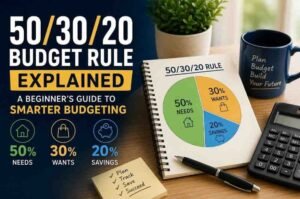
One of the simplest and most effective methods for managing your finances is the 50/30/20 budget rule. It has helped millions of people organize their income, reduce financial stress, and build healthier money habits.
Whether you’re a student, a young professional, a freelancer, or someone starting their personal finance journey, this budgeting method is easy to understand and even easier to follow.
In this guide, you’ll learn:
- What the 50/30/20 budget rule is
- Why it works so well
- How to apply it to your monthly income
- A real life budgeting example
- Common mistakes to avoid
- Practical tips to stay consistent
By the end of this article, you’ll have a clear roadmap for taking control of your money without feeling restricted.
What Is the 50/30/20 Budget Rule?
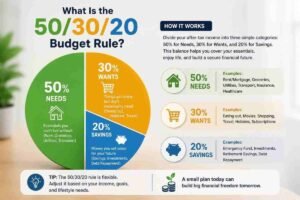
The 50/30/20 budget rule is a simple budgeting strategy that divides your after tax monthly income into three categories:
| Category | Percentage | Purpose |
| Needs | 50% | Essential living expenses |
| Wants | 30% | Lifestyle and entertainment |
| Savings & Debt | 20% | Saving, investing, or paying off debt |
Instead of tracking every single dollar you spend, this method focuses on keeping your overall spending balanced.
Think of it as giving every part of your income a clear purpose.
Rather than asking yourself, “Can I afford this?” every time you make a purchase, you’ll already know how much money is available for your essential needs, personal enjoyment, and future goals.
This simple framework makes budgeting less stressful and much easier to maintain over the long term.
Why Budgeting Matters More Than Ever
Many people think budgeting means giving up everything they enjoy.
That’s not true.
A good budget isn’t about limiting your life it’s about giving your money direction.
Without a budget, it’s easy to:
- Spend more than you realize
- Forget upcoming bills
- Depend on credit cards
- Struggle to save money
- Feel stressed every payday
On the other hand, budgeting helps you:
- Understand exactly where your money goes
- Build an emergency fund
- Reach financial goals faster
- Reduce unnecessary spending
- Prepare for unexpected expenses
- Feel more confident about your finances
A budget doesn’t control your money.
You control your money through your budget.
Understanding the Three Categories
Let’s explore each category in detail so you know exactly where your money should go.
1. Needs (50%)
Your needs are the essential expenses required for everyday living.
These are the bills you must pay to maintain your basic lifestyle.
Common examples include:
- Rent or mortgage
- Utility bills
- Groceries
- Transportation
- Fuel
- Internet (if necessary for work or study)
- Health insurance
- Medical expenses
- Minimum loan payments
- Childcare
- Basic household supplies
Ask yourself one simple question:
“If I didn’t buy this, would it seriously affect my daily life?”
If the answer is yes, it’s probably a need.
Example
Suppose your monthly income after taxes is $3,000.
Your “Needs” budget would be:
50% = $1,500
Everything essential should ideally fit within this amount.
If your needs regularly exceed 50% of your income, it may be worth reviewing your biggest expenses, such as housing, transportation, or subscriptions, to see if there are opportunities to reduce costs over time.
2. Wants (30%)
This is where many people get confused.
A want is something that makes life more enjoyable but isn’t necessary for survival.
Examples include:
- Dining out
- Coffee shops
- Streaming subscriptions
- Shopping
- Video games
- Vacations
- Entertainment
- Gym memberships (if not medically necessary)
- Fashion purchases
- New gadgets
It’s important to understand that spending money on wants isn’t bad.
In fact, allowing yourself some room for enjoyment can make your budget easier to stick with.
The key is balance.
If every extra dollar goes toward entertainment or impulse purchases, you’ll have less available for savings and long term goals.
Example
Monthly income:
$3,000
30% for wants:
$900
This amount covers your non essential spending for the month.
Needs vs. Wants: How to Tell the Difference
Sometimes it’s difficult to decide where an expense belongs.
Here are a few simple examples:
| Expense | Need or Want? |
| Rent | Need |
| Groceries | Need |
| Electricity | Need |
| Public transportation to work | Need |
| Netflix subscription | Want |
| Restaurant dinner | Want |
| New smartphone (old one works fine) | Want |
| Designer shoes | Want |
| Daily coffee from a café | Want |
Being honest with yourself is one of the most important parts of successful budgeting.
3. Savings and Debt Repayment (20%)
The final 20% of your income is dedicated to improving your financial future.
This money shouldn’t sit idle in your checking account.
Instead, it should help you build financial security.
You can use this portion for:
- Emergency savings
- Retirement contributions
- Investments
- Paying off credit card debt
- Extra loan payments
- Saving for a home
- Saving for education
- Building long term wealth
Example
Monthly income:
$3,000
20% equals:
$600
Even if you start with smaller amounts, consistently saving money every month can make a significant difference over time.
Remember, successful personal finance isn’t about saving huge amounts once it’s about saving consistently.
A Real-Life Example of the 50/30/20 Budget Rule
Let’s see how this budgeting method works in practice.
Imagine Sarah earns $4,000 each month after taxes.
Using the 50/30/20 budget rule, she divides her income like this:
| Category | Amount |
| Needs (50%) | $2,000 |
| Wants (30%) | $1,200 |
| Savings & Investments (20%) | $800 |
Her monthly expenses might look like this:
Needs
- Rent: $1,100
- Utilities: $180
- Groceries: $400
- Transportation: $220
- Insurance: $100
Total: $2,000
Wants
- Dining out: $300
- Streaming services: $40
- Shopping: $300
- Weekend activities: $260
- Coffee and snacks: $300
Total: $1,200
Savings
- Emergency fund: $400
- Retirement account: $250
- Investment account: $150
Total: $800
Notice that Sarah doesn’t have to record every small purchase in a complicated spreadsheet.
She simply makes sure each category stays within its planned percentage.
This keeps her finances organized without making budgeting feel overwhelming.
Why the 50/30/20 Budget Rule Works So Well

One of the biggest reasons people give up on budgeting is because they choose systems that are too complicated.
The 50/30/20 budget rule is different.
Instead of tracking dozens of spending categories, it focuses on three simple areas that are easy to understand.
This method works because it:
- Creates balance between spending and saving
- Encourages healthy financial habits
- Reduces overspending
- Helps you prepare for emergencies
- Gives you permission to enjoy your money responsibly
- Is flexible enough for different income levels
Most importantly, it’s a budgeting system that beginners can realistically maintain over the long term.
How to Create Your Own 50/30/20 Budget Step by Step

Now that you understand the basics of the 50/30/20 budget rule, it’s time to put it into action.
The best part? You don’t need expensive software or advanced financial knowledge. All you need is a little time, honesty about your spending habits, and consistency.
Let’s go through the process one step at a time.
Want to save even more each month? Check out our guide on Money Saving Strategies for Beginners to discover practical tips that can help you reduce expenses and grow your savings faster
Step 1: Calculate Your Monthly Income
Start with your after-tax income the amount that actually reaches your bank account each month.
If you’re paid a fixed salary, this step is straightforward. If you’re self employed or have a variable income, calculate your average monthly income based on the last six to twelve months.
Knowing your real income gives you a strong foundation for building a realistic budget.
Step 2: List Every Monthly Expense
Write down all of your regular expenses, including:
- Housing
- Utilities
- Groceries
- Transportation
- Insurance
- Loan payments
- Entertainment
- Dining out
- Shopping
- Savings
- Investments
- Subscriptions
Review your bank statements from the past two or three months. You’ll often discover small recurring expenses that quietly add up over time.
Being aware of where your money goes is the first step toward improving your financial habits.
Step 3: Categorize Your Spending
Now place every expense into one of the three categories:
Needs (50%)
Essential expenses you can’t reasonably live without.
Wants (30%)
Non-essential purchases that improve your lifestyle.
Savings and Debt (20%)
Money dedicated to your future, whether through saving, investing, or paying off debt faster.
If an expense doesn’t clearly fit into one category, ask yourself:
“Could I comfortably live without this for a month?”
If the answer is yes, it’s probably a want.
Step 4: Compare Your Spending to the Rule
Once you’ve categorized everything, compare your actual spending to the ideal percentages.
For example:
| Category | Recommended | Your Spending |
| Needs | 50% | 58% |
| Wants | 30% | 34% |
| Savings | 20% | 8% |
This doesn’t mean you’ve failed.
It simply shows where adjustments can make your finances healthier.
Remember, the 50/30/20 rule is a guideline not a strict law. The goal is progress, not perfection.
Step 5: Make Small Adjustments
Many people try to change everything overnight.
Instead, focus on one or two improvements each month.
For example:
- Cook at home two extra days each week.
- Cancel subscriptions you no longer use.
- Reduce impulse shopping.
- Set up an automatic monthly transfer to your savings account.
- Pay a little extra toward high interest debt.
Small improvements repeated consistently often produce better long term results than drastic changes that are difficult to maintain.
What If Your Expenses Don’t Fit the 50/30/20 Rule?
Life isn’t always predictable.
Depending on where you live, your housing costs or other necessities may take up more than 50% of your income.
That’s perfectly normal.
The important thing isn’t matching the percentages exactly it’s understanding where your money is going and making thoughtful decisions.
For example:
- A recent graduate may spend more on rent.
- Parents may have higher childcare expenses.
- Freelancers may have fluctuating monthly income.
As your financial situation improves, you can gradually move closer to the recommended balance.
A budget should adapt to your life not the other way around.
Common Budgeting Mistakes to Avoid
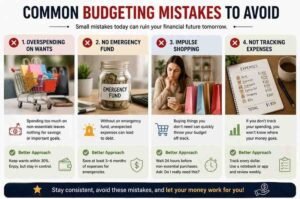
Even the best budgeting system won’t work if you fall into common money traps.
Here are some mistakes beginners often make.
1. Not Tracking Spending
Many people believe they know where their money goes.
In reality, small purchases like snacks, coffee, online subscriptions, and delivery fees can add up to hundreds of dollars over a month.
Reviewing your transactions regularly helps you stay aware of your spending habits.
2. Setting Unrealistic Goals
If you’ve never saved before, don’t expect to save half of your income immediately.
Start with an amount that’s achievable.
Building confidence through small wins makes it much easier to stay consistent.
3. Forgetting Irregular Expenses
Not every bill arrives every month.
Think about expenses like:
- Car maintenance
- Gifts
- Medical costs
- Annual insurance payments
- Holiday spending
Planning for these costs prevents them from disrupting your budget.
4. Ignoring Emergency Savings
Unexpected expenses happen to everyone.
A medical bill, car repair, or job loss can quickly become stressful if you don’t have savings set aside.
Aim to build an emergency fund that covers three to six months of essential living expenses over time.
You don’t have to reach that goal overnight steady progress matters more than speed.
5. Giving Up After One Bad Month
Everyone overspends occasionally.
What matters is what you do next.
Instead of abandoning your budget, review what happened, learn from it, and continue the following month.
Budgeting is a long term habit, not a short term challenge.
Practical Tips to Stay Consistent
Following a budget becomes much easier when you build simple routines.
Here are a few habits that can make a big difference.
Pay Yourself First
Transfer your savings as soon as you receive your income.
When saving happens automatically, you’re less likely to spend that money elsewhere.
Review Your Budget Weekly
Spend just ten minutes each week checking your spending.
Small adjustments are much easier than fixing major problems at the end of the month.
Avoid Impulse Purchases
Before buying something expensive, wait 24 hours.
You’ll often discover that the excitement fades, helping you make more thoughtful decisions.
Celebrate Progress
Every financial milestone deserves recognition.
Whether you’ve paid off a credit card, built your first emergency fund, or stayed within budget for a month, take a moment to appreciate your progress.
Positive reinforcement helps build lasting habits.
Helpful Budgeting Tools
You don’t need complicated software to manage your money.
Many people successfully budget using:
- A simple notebook
- Microsoft Excel
- Google Sheets
- Mobile budgeting apps
- Printable monthly budget planners
Choose the method you’ll actually use consistently.
The best budgeting system is the one that fits naturally into your routine.
Frequently Asked Questions (FAQs)
Is the 50/30/20 budget rule suitable for beginners?
Yes. It’s one of the easiest budgeting methods because it focuses on only three spending categories instead of dozens of detailed expense types.
What if I can’t save 20% of my income?
Start with whatever amount you can manage.
Even saving a small percentage each month builds positive financial habits.
As your income grows or your expenses decrease, gradually increase your savings rate.
Should I pay off debt before investing?
In many cases, paying off high interest debt first is a smart financial decision because the interest can outweigh potential investment returns.
Once your expensive debt is under control, you can focus more on investing for the future.
Can students use the 50/30/20 budget rule?
Absolutely.
Students can use this budgeting method to manage allowances, part-time income, scholarships, or freelance earnings while developing healthy money habits early in life.
Does the 50/30/20 rule work with irregular income?
Yes.
If your income changes from month to month, calculate your average monthly earnings and base your budget on that amount. During higher income months, consider saving extra to prepare for slower periods.
Final Thoughts
Managing your money doesn’t have to be stressful or complicated.
The 50/30/20 budget rule offers a simple framework that helps you balance today’s needs with tomorrow’s goals. Instead of wondering where your money disappeared each month, you’ll have a clear plan for every dollar you earn.
Remember, successful budgeting isn’t about being perfect. It’s about making intentional decisions, staying consistent, and improving little by little.
If your numbers don’t match the 50/30/20 guideline today, don’t be discouraged. Every positive financial habit no matter how small moves you closer to greater financial stability and peace of mind.
The most important step is simply getting started.
If you haven’t created your first budget yet, take a few minutes today to calculate your monthly income, list your expenses, and divide them into the three categories. Your future self will thank you for starting now.
If you’re also looking for practical ways to save more money each month, don’t miss our guide on Money Saving Strategies for Beginners, where you’ll discover simple habits that can help you build stronger financial foundations and reach your goals faster.
Key Takeaways
- The 50/30/20 budget rule divides your after tax income into 50% needs, 30% wants, and 20% savings or debt repayment.
- It provides a simple, beginner friendly approach to managing money.
- Consistency is more important than following the percentages perfectly.
- Small changes in spending habits can lead to significant long-term financial improvements.
- A budget is a tool that helps you gain confidence, reduce stress, and build a more secure financial future.