

Introduction
Have you ever had a surprise fee while least predicting it? Maybe your car needed maintenance at the same time, your PC stopped working earlier as an essential project, or you bought a science invoice that wasn’t part of your month to month price range. These circumstances are stressful, especially if you don’t have money set aside to deal with them. We will learn about How to Build an Emergency Fund wit the step by step guide.
This is exactly why an emergency fund is so important.
An emergency fund is cash that you buy primarily for life’s surprises. Instead of relying on credit cards, non public loans, or borrowing cash from friends and family, you can use your own savings to cover the costs. Not only does this protect your budget right now, but it also gives you peace of mind, knowing that you’re prepared for anything life throws at you. The correct information is that setting up an emergency fund does not require a high income or good financial condition. Even in case you start with little or no money, you can create a stable money protection net by continuously saving and making smart financial decisions.
In this guide, you’ll discover ways to build an emergency fund from scratch, find out how much deal to save, where to keep your money, and smart techniques to help you reach your savings goal faster. Whether you’re a novice, a working expert, or someone just starting out on your non public financial journey, this step by step guide will help you build monetary self sufficiency, one small step at a time.
What Is an Emergency Fund?
An emergency fund is a separate financial savings account that is best reserved for sudden financial emergencies. It acts as a financial cushion that allows you to address surprise prices without disrupting your monthly budget or getting into debt.
Unlike everyday financial savings, an emergency fund is not designed for planned purchases such as holidays, appliances, or vacation purchases. Instead, it’s for circumstances you can’t anticipate.
Some examples of actual emergencies include:
- Unexpected scientific awards
- Major Cars Repair
- Household Essentials
- Job loss or reduced income
Emergency travel for a family emergency
Replacing a damaged device you rely on day in and day out Think of your emergency fund as financial insurance. You hope you might not need it, but you’ll be thankful it’s there when an emergency arises.
Emergency Fund vs. Regular Savings
Many people assume all savings serve the same purpose, but that’s not true. Keeping your emergency fund separate from your general savings helps you stay disciplined and ensures the money is available when you truly need it.
| Emergency Fund | Regular Savings |
| Used only for unexpected emergencies | Used for planned goals and purchases |
| Helps prevent debt | Helps achieve future goals |
| Should rarely be touched | Can be spent when planned |
| Provides financial security | Supports lifestyle improvements |
By separating these accounts, you’ll be less tempted to spend money that’s meant to protect you during difficult times.
Why Everyone Should Have an Emergency Fund
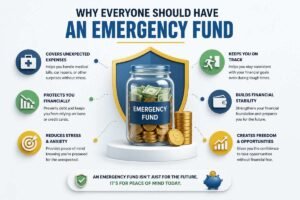
According to the Consumer Financial Protection Bureau, having emergency savings can help you handle unexpected expenses and reduce financial stress.
Unexpected expenses are a part of life. The difference is whether you’re financially prepared when they happen.
Without emergency savings, even a small financial setback can force you to rely on credit cards or loans. Over time, this can lead to interest charges, growing debt, and unnecessary stress.
An emergency fund helps you stay in control by giving you immediate access to money when you need it most.
Here are some of its biggest benefits.
It Helps You Avoid Debt
Imagine your car suddenly needs a $700 repair.
If you don’t have emergency savings, you might put the repair on a credit card and spend months paying interest.
If you already have an emergency fund, you can pay the repair bill immediately and avoid unnecessary debt.
One unexpected expense doesn’t have to become a long term financial burden.
It Reduces Financial Stress
Money worries can affect every part of your life, from your sleep to your overall well being.
Knowing that you have savings available for emergencies gives you confidence and peace of mind. Instead of constantly worrying about “what if something goes wrong,” you’ll know you have a plan in place.
That sense of security is one of the biggest advantages of building an emergency fund.
It Protects Your Financial Goals
Suppose you’ve been saving for months to buy a new laptop or take a family vacation.
Then your washing machine suddenly breaks down.
Without emergency savings, you’ll likely have to use the money you were saving for your goal.
With an emergency fund, your long term savings stay untouched because you’ve already prepared for unexpected expenses.
This keeps you moving toward your financial goals instead of starting over each time life surprises you.
It Gives You More Financial Freedom
Having emergency savings means you’re less likely to feel trapped by unexpected expenses.
Whether it’s taking time to find a new job, handling a family emergency, or covering an urgent repair, your emergency fund gives you the flexibility to make better decisions without panicking about money.
Financial freedom doesn’t always mean being wealthy. Sometimes, it simply means being prepared.
Signs You Need an Emergency Fund Today
If any of these situations sound familiar, building an emergency fund should become one of your top financial priorities.
You Live Paycheck to Paycheck
If most of your income is gone before your next payday, even a small unexpected expense can create financial pressure.
Building emergency savings gives you breathing room and reduces the risk of falling into debt.
You Rely on Credit Cards for Unexpected Expenses
Using credit cards for genuine emergencies might seem convenient, but it often leads to long term interest payments.
Replacing borrowed money with your own savings is a much healthier financial habit.
You Have Little or No Savings
Everyone starts somewhere.
Don’t wait until you think you earn “enough” money to begin saving.
Even setting aside a small amount each week builds momentum and creates a habit that can transform your financial future.
How Much Should You Save in an Emergency Fund?
One of the first questions people ask is:
“How much should my emergency fund actually be?”
The answer depends on your monthly living expenses, income stability, and personal responsibilities.
A common recommendation from financial experts is to save three to six months of essential living expenses. This amount can help you continue paying your bills if you lose your job, face a medical emergency, or experience another unexpected financial setback.
For example:
| Monthly Essential Expenses | Recommended Emergency Fund |
| $1,000 | $3,000–$6,000 |
| $2,000 | $6,000–$12,000 |
| $3,000 | $9,000–$18,000 |
If those numbers seem overwhelming, don’t worry.
Your first goal doesn’t have to be several thousand dollars. Instead, focus on building your first $500 to $1,000. Reaching this milestone will prepare you for many common emergencies while giving you confidence to continue saving.
Remember, your emergency fund is built one step at a time not overnight.
Where Should You Keep Your Emergency Fund?
Your emergency fund should be stored somewhere that is safe, easy to access, and separate from your daily spending money.
A good emergency fund should meet three important requirements:
- Be available whenever you need it.
- Keep your money secure.
- Reduce the temptation to spend it.
Here are the best places to keep your emergency savings.
High Yield Savings Account
A high yield savings account is one of the best choices because it allows your money to earn interest while remaining easily accessible.
Separate Savings Account
If a high yield account isn’t available, opening a dedicated savings account is still an excellent option.
Keeping your emergency savings separate from your checking account helps prevent accidental spending.
What You Should Avoid
Avoid investing your emergency fund in:
- Stocks
- Cryptocurrency
- Mutual funds meant for long term growth
- Any investment that can lose value quickly
Your emergency fund is designed for security, not investment returns.
Step 1: Calculate Your Essential Monthly Expenses

If you’re struggling to free up extra cash each month, check out our guide on How to Save Money on a Low Income as a Beginner for practical strategies to reduce expenses and save more consistently.
Before deciding how much to save, you need to understand how much money you actually require each month.
List only your essential expenses, including:
- Housing (rent or mortgage)
- Groceries
- Utilities
- Transportation
- Insurance
- Healthcare
- Minimum debt payments
Leave out non essential spending like:
- Dining out
- Entertainment
- Online shopping
- Vacations
- Luxury purchases
Once you’ve calculated your monthly essentials, multiply that amount by three to six months. This gives you a realistic emergency fund target based on your personal lifestyle.
Step 2: Set a Small and Achievable Goal
Many beginners delay saving because they believe they need to build a huge emergency fund immediately.
Instead of focusing on a large number, create smaller milestones that feel achievable.
For example:
- Save your first $100
- Then aim for $500
- Next, reach $1,000
- Continue building toward three to six months of expenses
Each milestone builds confidence and keeps you motivated.
Progress matters far more than perfection.
Step 3: Make Saving Part of Your Monthly Budget
The easiest way to build an emergency fund is to treat saving like any other monthly bill.
Creating a realistic budget can also help you save consistently. Learn how the 50/30/20 Budget Rule works and how it can make managing your money much easier.
Instead of saving whatever money is left at the end of the month, decide in advance how much you’ll save.
For example:
- Save $25 every paycheck.
- Increase your savings whenever your income grows.
- Deposit bonuses or tax refunds into your emergency fund.
If you’ve already read our 50/30/20 Budget Rule Explained guide, you can use part of your savings category to consistently grow your emergency fund.
Likewise, our Money Saving Strategies for Beginners article offers practical ways to reduce everyday expenses so you can save even more each month.
Step 4: Automate Your Savings
One of the simplest ways to stay consistent is to automate the process.
Set up an automatic transfer from your checking account to your emergency savings account every payday.
Automation helps because it:
- Removes the temptation to spend the money.
- Builds a consistent saving habit.
- Reduces the chance of forgetting.
- Makes saving feel effortless over time.
Even small automatic transfers can grow into a substantial emergency fund when repeated month after month.
The most important thing isn’t how much you save at first it’s building a habit you’ll stick with for years.
Step 5: Reduce Unnecessary Spending
One of the fastest ways to grow your emergency fund is to find money you’re already spending unnecessarily.
You don’t have to stop enjoying life or make drastic lifestyle changes. Instead, look for small expenses that add little value to your daily life.
For example, you could:
- Make coffee at home instead of buying it every day.
- Cook more meals instead of ordering takeout.
- Cancel subscriptions you no longer use.
- Compare phone or internet plans to lower your monthly bills.
- Wait 24 hours before making impulse purchases.
Even saving $50 to $100 each month can make a noticeable difference over the course of a year.
The key is to redirect the money you save directly into your emergency fund instead of spending it elsewhere.
Step 6: Increase Your Income
Saving money is important, but increasing your income can help you reach your emergency fund goal much faster.
Fortunately, there are many simple ways to earn extra money without quitting your current job.
Some beginner friendly ideas include:
- Freelancing online
- Selling items you no longer use
- Tutoring students
- Pet sitting or babysitting
- Delivering food on weekends
- Starting a small online side hustle
Whenever you receive extra income, try saving a large portion of it.
For example:
- Save part of your annual bonus.
- Deposit tax refunds into your emergency fund.
- Save birthday or holiday cash gifts.
- Put income from side jobs directly into your savings.
Unexpected income is one of the easiest ways to grow your emergency fund without affecting your regular monthly budget.
Step 7: Keep Your Emergency Fund Separate
The FDIC explains how deposit insurance protects eligible bank deposits, making insured savings accounts a secure place to keep an emergency fund.
One common mistake is keeping emergency savings in the same account you use for daily spending.
When your emergency fund is mixed with your everyday money, it becomes much easier to spend it on things that aren’t true emergencies.
Instead, keep your emergency fund in a dedicated savings account.
This simple step helps you:
- Avoid unnecessary spending.
- Stay disciplined.
- Clearly track your progress.
- Protect your savings until you genuinely need them.
Out of sight often means out of mind and that’s exactly what you want for emergency savings.
Step 8: Use Your Emergency Fund Only for Real Emergencies
Building an emergency fund takes time and discipline, so it’s important to protect it.
Before using your savings, ask yourself two simple questions:
- Is this expense unexpected?
- Is it absolutely necessary?
If the answer to both questions is yes, using your emergency fund is appropriate.
Examples of real emergencies include:
- Medical bills
- Job loss
- Essential home repairs
- Major car repairs
- Emergency travel for a close family member
Examples that are not emergencies include:
- Shopping during sales
- Upgrading your smartphone
- Concert tickets
- Vacations
- Luxury purchases
Whenever you withdraw money from your emergency fund, make rebuilding it your next financial priority.
Common Mistakes to Avoid
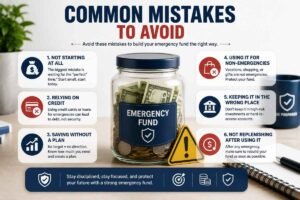
Building an emergency fund is simple, but a few common mistakes can slow your progress.
Waiting Until You Earn More
Many people believe they’ll start saving once they receive a higher salary.
The truth is that saving is a habit. Starting today even with a small amount is far more valuable than waiting for the perfect time.
Setting Unrealistic Goals
Trying to save thousands of dollars within a few months can feel discouraging.
Instead, celebrate smaller milestones and focus on consistent progress.
Spending the Fund on Non Essential Purchases
Remember why you created your emergency fund in the first place.
Protect it carefully so it’s available when you truly need it.
Smart Tips to Reach Your Goal Faster
If you want to build your emergency fund more quickly, these simple habits can make a big difference.
Save First, Spend Later
As soon as you receive your paycheck, move your planned savings into your emergency fund before spending on anything else.
Review Your Budget Every Month
Your expenses and income may change over time. Reviewing your budget monthly helps you identify new opportunities to save.
Celebrate Small Milestones
Saving your first $100, $500, or $1,000 is a major achievement.
Celebrate your progress it keeps you motivated without slowing your financial journey.
Stay Consistent
You don’t need to save large amounts every month.
Small, regular contributions often outperform occasional large deposits because they build a lasting financial habit.
Frequently Asked Questions (FAQs)
1. How much money should I have in my emergency fund?
A good long term goal is to save three to six months of essential living expenses. If you’re just starting, don’t worry about reaching that amount immediately. Focus on saving your first $500 to $1,000, then continue building your fund over time.
2. Where is the best place to keep an emergency fund?
The safest place is a high yield savings account or a separate savings account that’s easy to access but not linked to your everyday spending. This helps protect your money while allowing it to earn a little interest.
3. Should I use my emergency fund to pay off debt?
Generally, no. Your emergency fund should only be used for unexpected financial emergencies. If you have debt, continue making your regular payments while keeping your emergency savings available for genuine emergencies.
4. What if I can only save a small amount every month?
That’s perfectly fine. Saving $20, $50, or $100 every month is much better than saving nothing at all. Small, consistent contributions grow over time and help build strong financial habits.
Key Takeaways
Before you start building your emergency fund, remember these important lessons:
- Build your emergency fund one step at a time.
- Start with a realistic savings goal instead of waiting for the perfect time.
- Keep your emergency savings in a separate account.
- Save consistently, even if it’s only a small amount each month.
- Use your emergency fund only for genuine emergencies.
- Rebuild your savings whenever you use part of the fund.
- Financial security comes from good habits, not a high income.

Conclusion
Building an emergency fund from scratch is one of the smartest financial decisions you can make. It won’t make you wealthy overnight, but it will give you something just as valuable financial confidence.
Unexpected expenses are a part of life, but they don’t have to become financial disasters. By saving consistently, spending wisely, and protecting your emergency fund, you’ll be better prepared for whatever challenges come your way.
Remember, every successful saver started with a single step. Whether you save $20 or $200 this month, you’re moving closer to a stronger financial future.
The most important thing isn’t how much you save today it’s developing the habit of saving consistently.
Start now, stay patient, and let your emergency fund grow over time. Your future self will be grateful that you made the decision to prepare today.